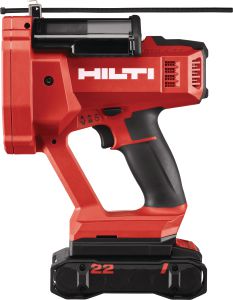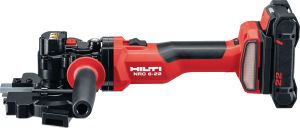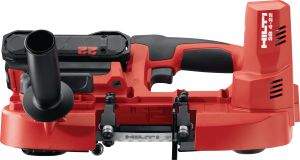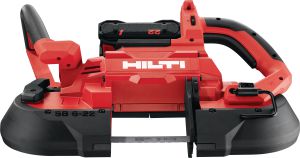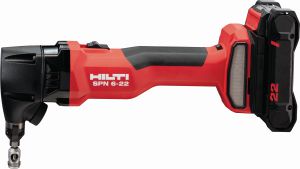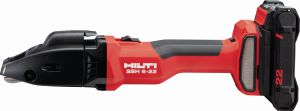
更便宜
節省超過 75% 切割成本
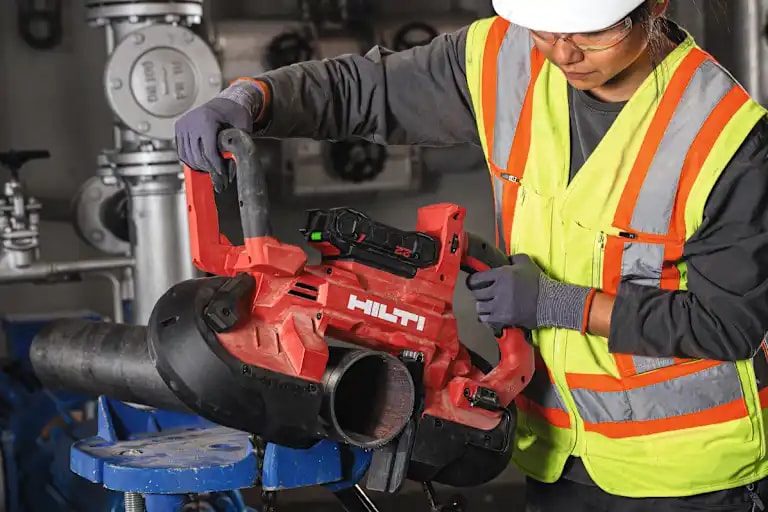
以帶鋸(Band Saw)切割 35mm、厚度 4mm 的鋼管,每次切割成本比角磨機低 76%。*成本比較基於 Hilti AC-D SPX 125x1.0(金屬切割碟)可切 13 次 vs Hilti 帶鋸條 SP 44-7/8" 14/18 可切 266 次。

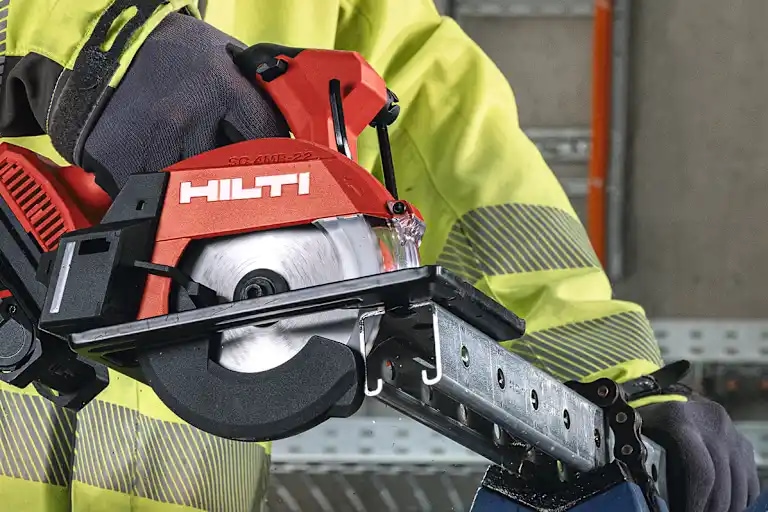
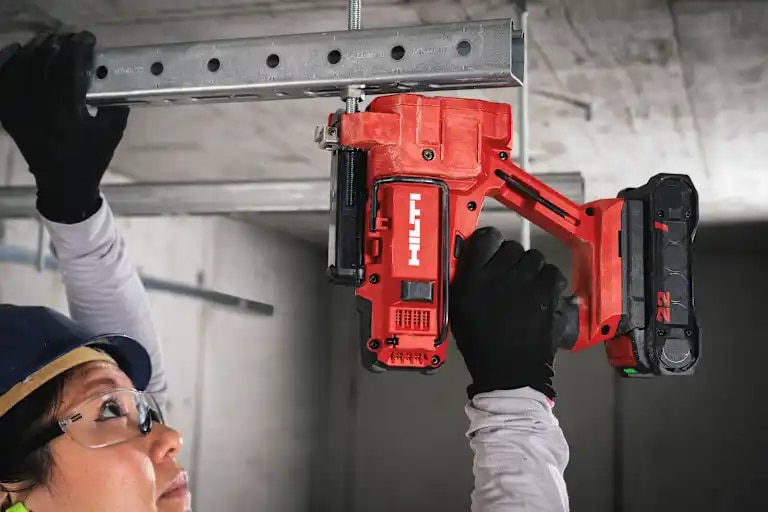
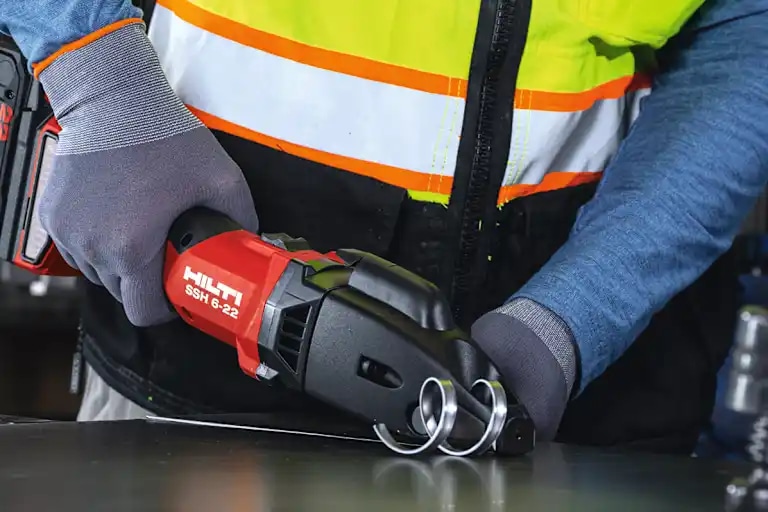
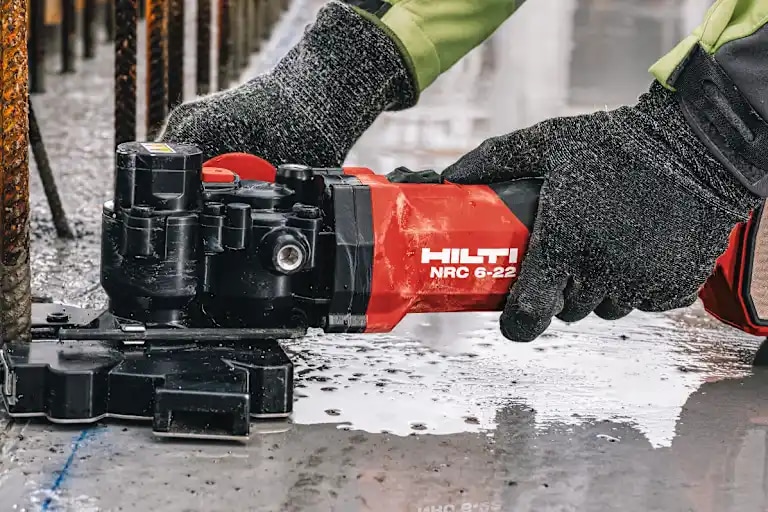
在建造業中,我們每天都依賴不同的 金屬切割工具 來處理各類工序。當你比較角磨機與其他更高效的金屬冷切割工具的「每次切割成本」時,你會發現選擇更合適的工具,能讓你以更快、更便宜的方式完成金屬切割工作,對成本管理更有利。
市場上有多種工具可協助你提升金屬切割的性能、生產力以及節省成本,特別適合金屬加工及工地使用,包括:
帶鋸 (低震動、高穩定性)
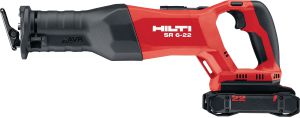
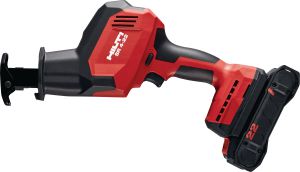
往復鋸 (適合管材、排拆作業)
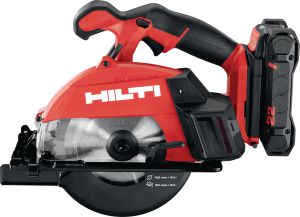
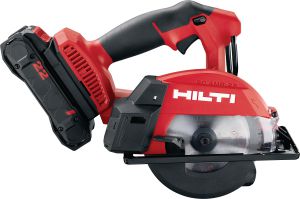
金屬圓鋸 (高速度、乾淨切口)
其他專業金屬切割工具與冷切方案
這些工具都是替代角磨機的理想選擇,可以有效提升工地安全性、減少火花與切割工序相關風險,同時提升整體金屬切割效率。
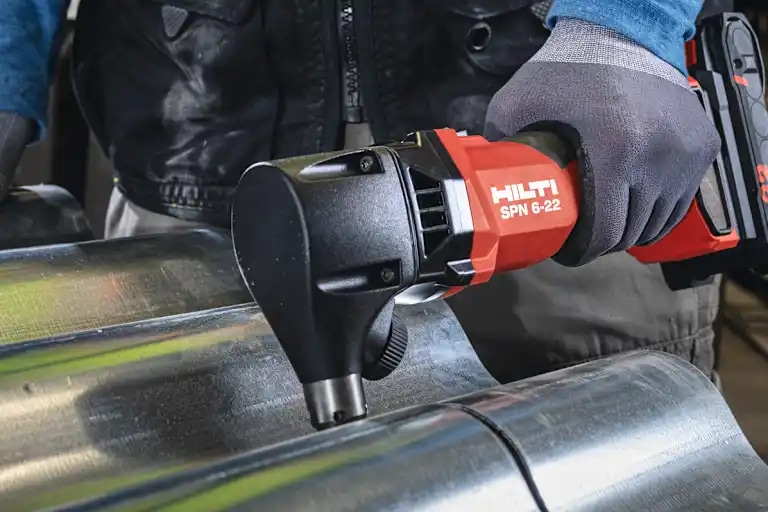
工地上不少人習慣,方便就手使用角磨機,但「方便」不等於「最有效」。其實使用金屬冷切割工具可節省更多時間及降低成本,並具備多項額外好處。
金屬冷切割工具 4 大優勢:
無需熱工作許可 - 角磨機切割會產生大量火花,通常需要額外申請許可;金屬冷切割工具則無需此程序,節省時間。
減少人手及人工成本 - 使用角磨機通常需要額外人手監察防火風險;而金屬冷切割工具能降低火花與過熱問題,不需額外監察。
更安全:更少火花與灼傷風險 - 金屬冷切割過程中產生的火花更少,有助提升工地安全,毋須穿著防火衣物。
切面更平整,毋須後期返工磨平披口 - 角磨機切割會破壞金屬表層或鍍鋅表層,需返工打磨處理;金屬冷切割工具可提供更平整、更準確的切面,減少後續加工。
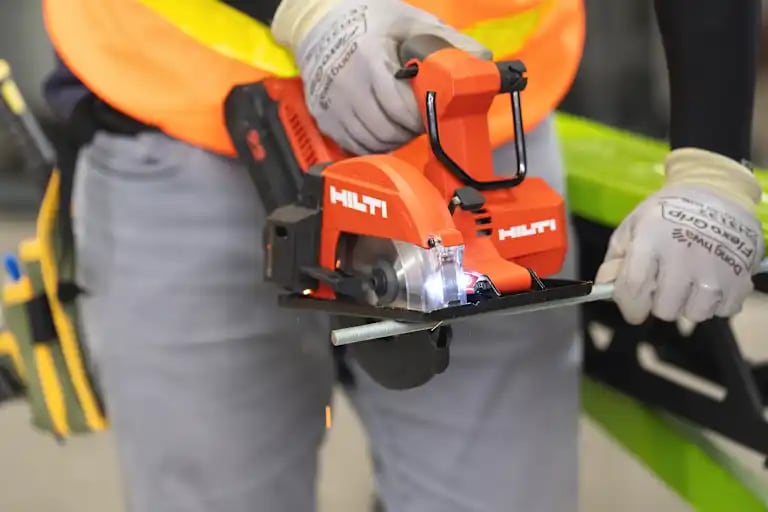
即使現代砂輪機加入不少安全功能,但仍存在更高不少風險,而使用金屬冷切割工具則可有效降低以下問題:
拮碟破裂可導致手、腳或身體嚴重受傷;而圓鋸與帶鋸則具備更多保護罩以及較低轉速(RPM),安全性更高。
粉塵控制: 角磨機大多沒有吸塵接口;相反,一些金屬圓鋸提供吸塵口,讓你更容易達到工地粉塵控制要求。
震動風險(Vibration)
根據 EU Directive 2002/44/EC, 角磨機震幅約 5 m/s²,每日一般最多使用 2 小時, 帶鋸約 0.8 m/s², 圓鋸約 0.5 m/s²。低震動工具不但可以令工人使用時間更長,也有助減低工傷風險。